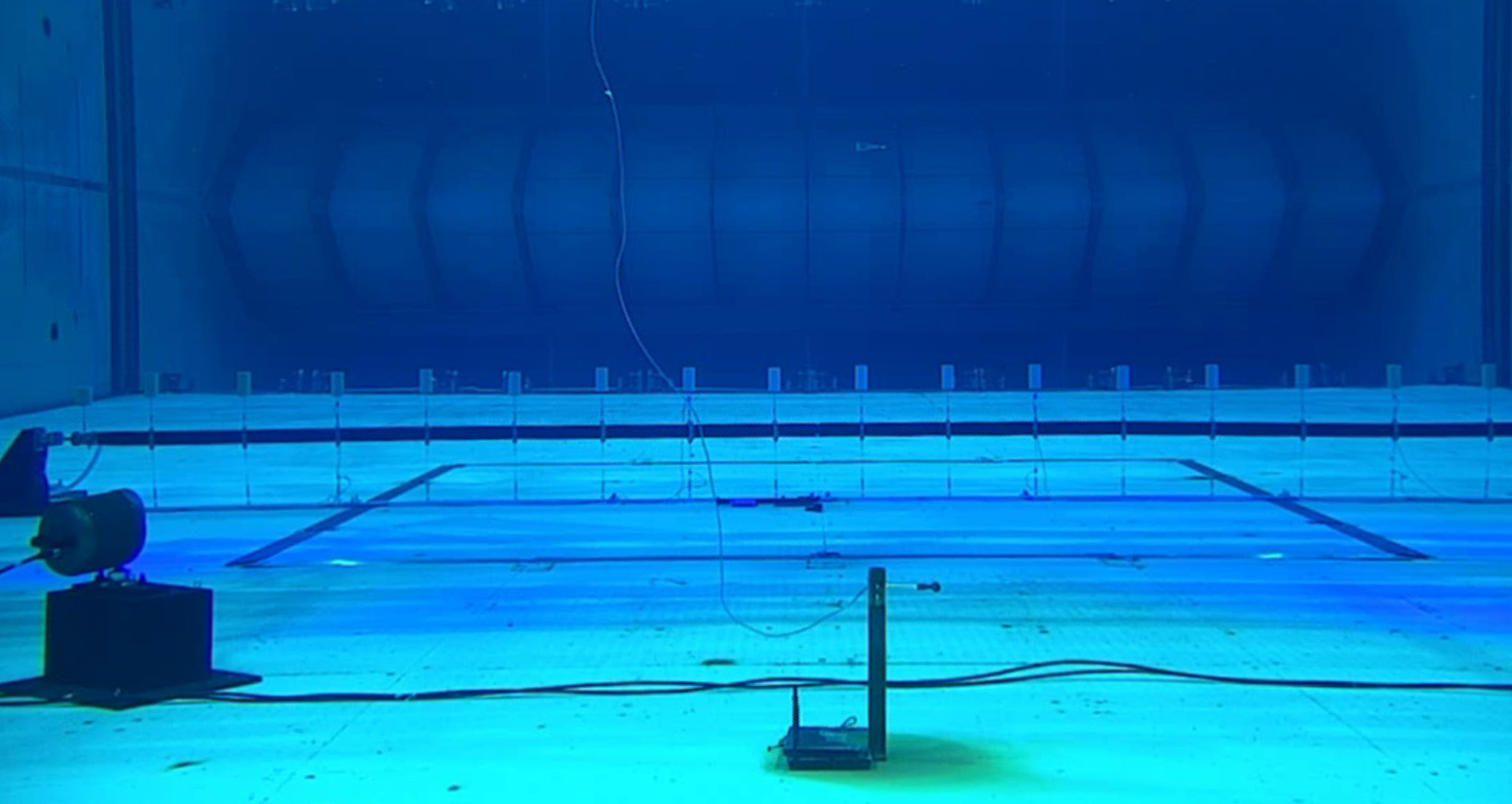
Exploring the potential of Seawater Air Conditioning and wider ocean energies

Seawater Air Conditioning (SWAC) is a technological process that uses a renewable and local source of cold water to cool buildings in near proximity.

Exploring the potential of-Seawater

The SWAC technology is relatively simple to operate and exploits temperature difference between cold ocean water and external air temperature Cold seawater is pumped from the coast and transported by pipeline to a heat exchanger which transmits the cold of the seawater to another effluent (water or air). This effluent is then used to cool buildings, industrial machines, etc.

The SWAC system holds considerable potential in coastal areas and tropical climates with high cooling and heating requirements. Today, air conditioning represents a significant part of the energy consumption, representing around 50% of the electricity bill of supermarkets and data centers and up to 60% of the bill for agro-industries (food processing, agro-resources, etc.)

SWAC solutions

SWAC innovations

DORIS combines its project-specific experience of SWAC with its broader offshore engineering knowledge to develop innovative solutions. These include cost-effective solutions such as self-burying pipes or the use of flexible pipe which will reduce the overall investment cost of the SWAC system by around 15%.

DORIS has also been a member of the EuroSWAC project since 2020. This project aims to design and validate an innovative, cost-effective and environmentally-friendly solution for cold production. The project uses seawater from the Channel, a widely available renewable energy source, as a refrigerant, exploiting the temperature difference between the cold ocean water and the outside air temperature.

Our Activities

Engineering
Consulting
Project management
Technical assistance
Asset management
Digital

News

1794580947837

A new home for ODE Asset Management

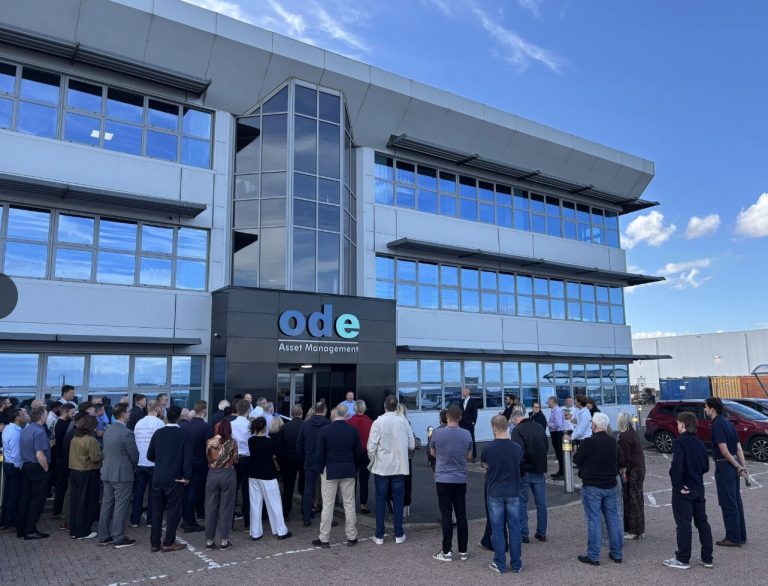
Our asset management company, ODE Asset Management, has moved into Cavendish House in Great Yarmouth. More...
Read More
1789631392099

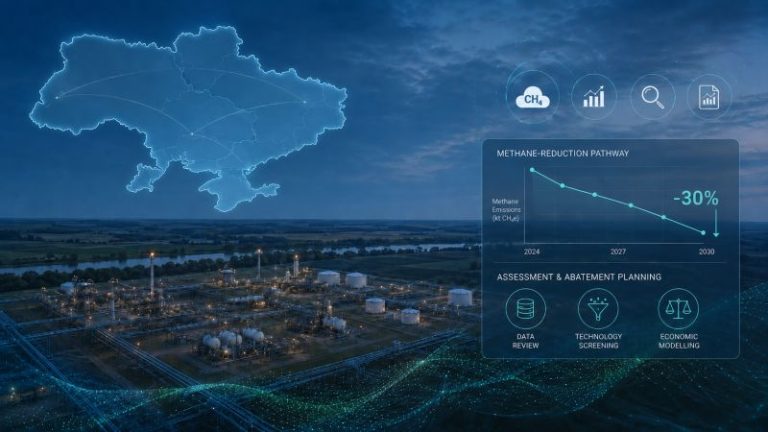
How do you help cut a country’s methane emissions by 30%? You start with data.

DORIS has delivered a landmark consultancy assignment for DiXi Group, supporting Ukraine’s strategy to...
Read More
FPSO1

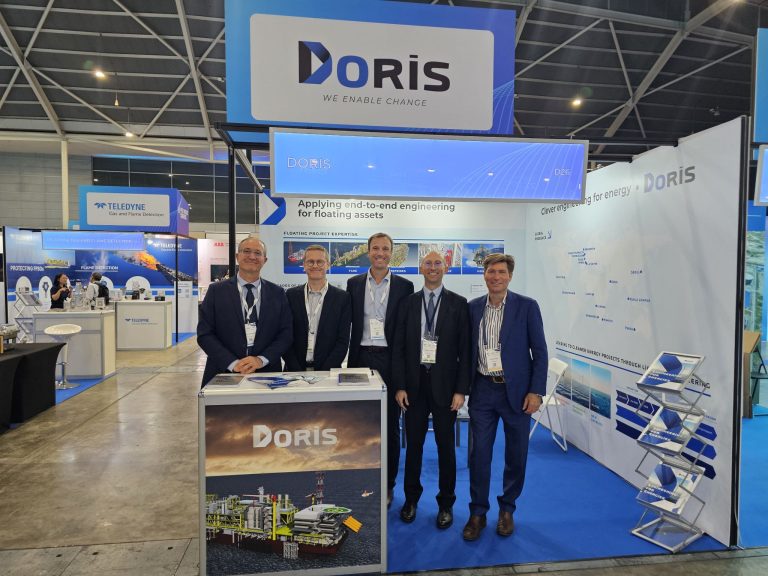
FPSO World Congress 2026: how low can FPSO emissions really go?

The DORIS team is back from Singapore, where the 27th FPSO World Congress brought the floating production...
Read More